Pet Dentistry & Oral Surgery in Oconomowoc, WI
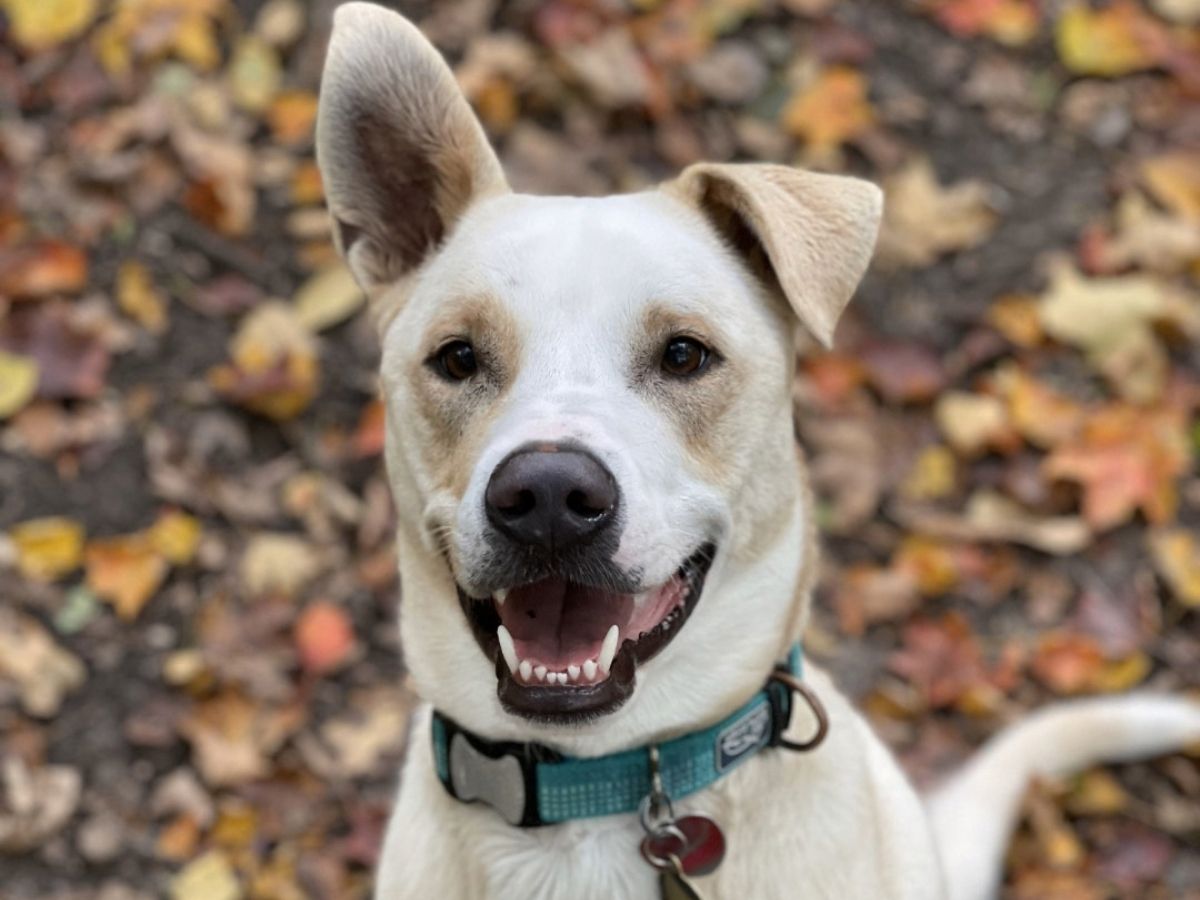
Imagine what your mouth would feel like if you never brushed your teeth or went to the dentist. For many dogs and cats, this is a painful reality. According to the American Veterinary Dental Society, more than 80% of dogs and 70% of cats have dental disease by the age of 3. Dental, or periodontal, disease is the most frequently diagnosed health problem in pets.
Why Periodontal Disease Matters
Periodontal disease is the most common clinical condition occurring in adult dogs and cats. The good news is that it is largely preventable. Many dogs and cats develop periodontal disease by the age of 3.
Some signs of periodontal disease are gum redness and irritation, bleeding gums, bad breath, excessive drooling, lack of appetite, loss of interest in toys, loose teeth, and tooth loss.
Periodontal disease starts when bacteria in the mouth attach to teeth to create plaque. This plaque then hardens to make dental calculus, also known as tartar. Tartar above the gum line is easy for pet owners to see but is not the cause of disease. Periodontal disease develops when the enzymes the tartar creates go under the gum line. This process can cause gum inflammation, infection, and bone loss.
What Happens During a Dental Cleaning
During a dental cleaning at Oconomowoc Animal Hospital, our experienced staff begins by using an ultrasonic scaler to remove the visible tartar.
Next, we take a measurement of gum pocket depths. This measurement helps us to determine if the teeth are still healthy under the gums. A large pocket can indicate severe periodontal disease and a possibly compromised tooth.
Then we scrape the teeth under the gum line to remove harmful plaque and dental calculus. Digital dental radiographs help our veterinarians evaluate your pet’s tooth roots and bone changes in their jaw. Lastly, we polish your pet’s teeth.
Anesthesia and Safety
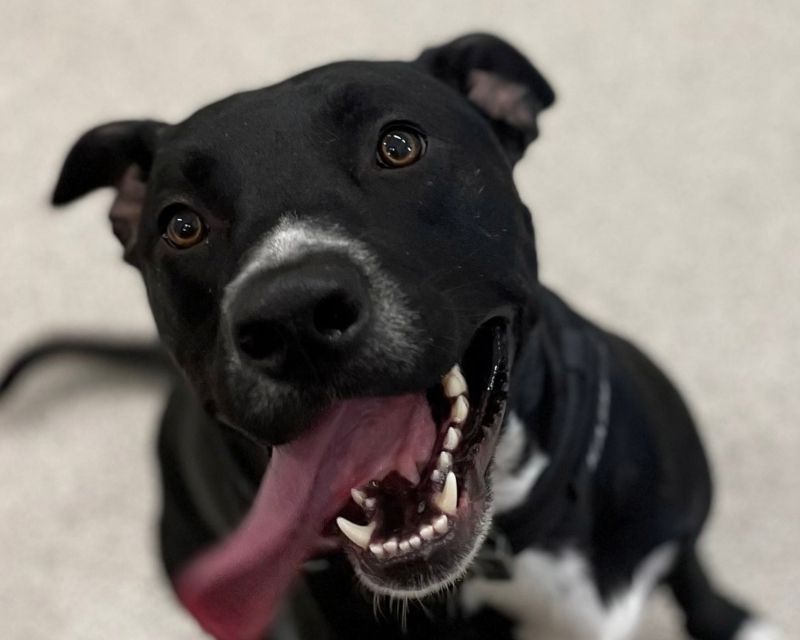
All dental cleanings at Oconomowoc Animal Hospital are done with your pet under general anesthesia. Your pet has an endotracheal, or breathing, tube inserted and is administered isoflurane, which is the same anesthesia used in human medicine. The endotracheal tube helps maintain your pet’s airway and prevents any water used during the procedure from getting down into your pet’s lungs.
Our experienced technical team members perform all dental cleanings under careful guidance from our veterinarians. During all anesthetic procedures, your pet has an IV catheter in place to administer fluids and is continually monitored for heart rate, breathing rate, blood oxygen level, and blood pressure. See pet anesthesia and monitoring for our full protocol.
Why We Recommend Dental Care Early
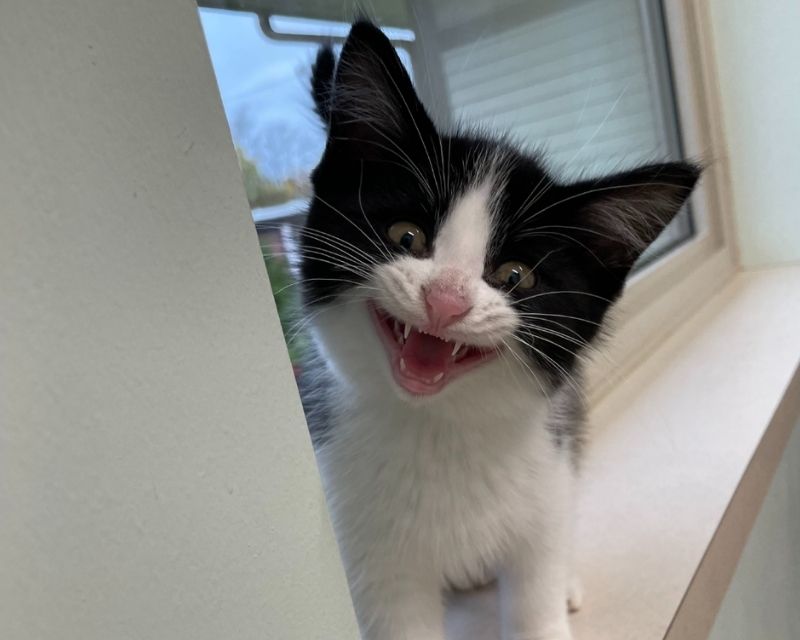
Just as routine dental care is best for people, routine preventive dental care is best for your pet. We don’t want to wait until they have terrible breath, loose or rotting teeth, oral pain, and other diseases such as renal disease, heart disease, and bone loss before addressing their oral health.
Please make an appointment at Oconomowoc Animal Hospital to discuss your pet’s oral health and learn more about what you can do with your pet at home to prevent periodontal disease.
Frequently Asked Questions
At what age should my pet have their first dental cleaning?
Many dogs and cats develop periodontal disease by the age of three, so we often start the conversation well before then. Your veterinarian will assess your pet's mouth at every pet wellness exam visit and let you know when a cleaning is warranted.
Is anesthesia safe for my pet's dental cleaning?
Yes. Modern anesthesia is generally very safe, and it lets us clean below the gum line, where periodontal disease does its damage, and take dental radiographs. Every patient has an IV catheter and is monitored throughout for heart rate, breathing rate, blood oxygen level, and blood pressure.
What can I do at home between cleanings?
Daily tooth brushing with pet-safe toothpaste is the gold standard. We can also recommend dental diets and chews for your pet. Ask us at your next visit — we can walk you through what works for your particular pet.