
Exotic Animal Veterinary Care in Oconomowoc, WI
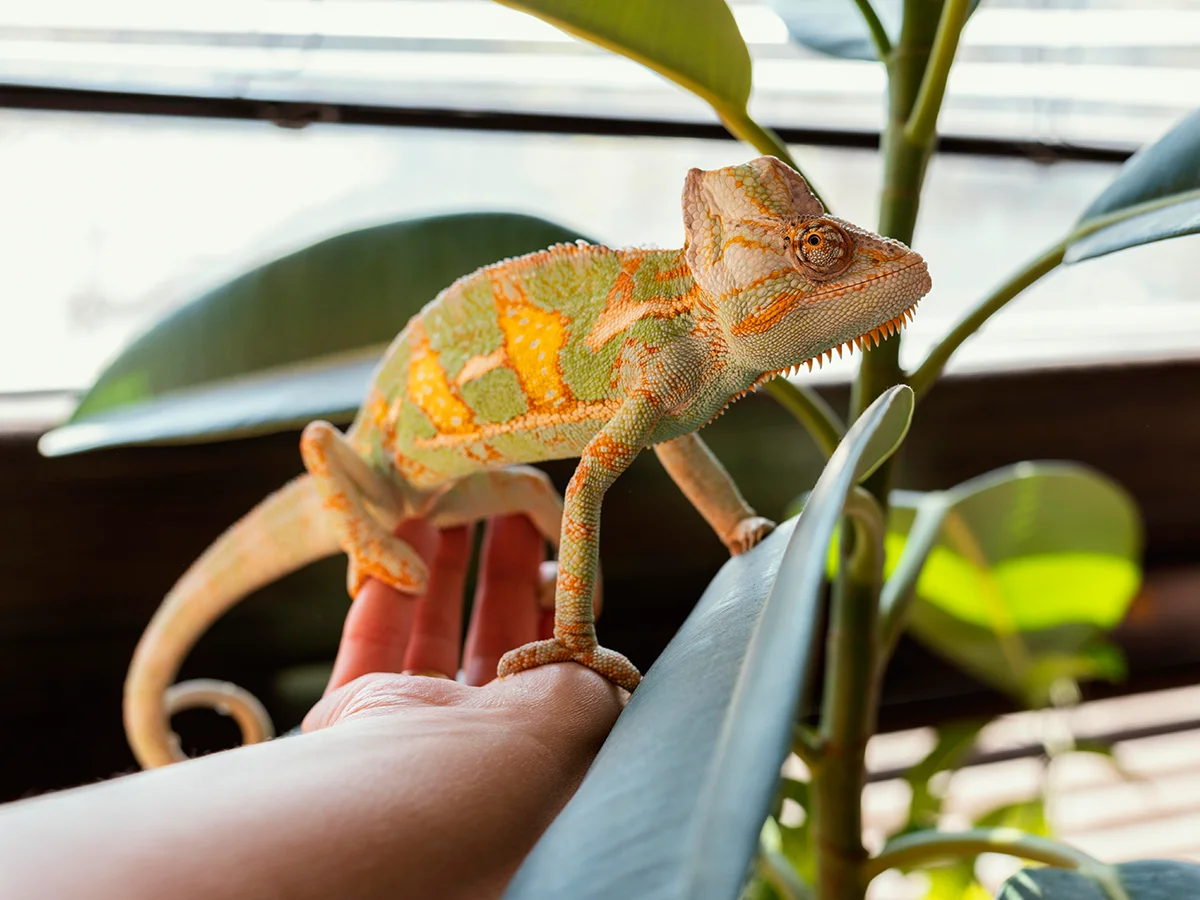
Not all pets are furry! We like scales too, and we are proud to provide care for reptile patients. Common types we see include bearded dragons, turtles, tortoises, snakes, and geckos.
We are not accepting new pocket pet clients at this time. If you have a bird, guinea pig, hamster, or rat, we would be glad to refer you to a clinic that is taking new patients.
Diet Varies a Lot by Species
There are herbivorous, omnivorous, and carnivorous species. Knowledge of natural history — where an animal is originally found and how it would live in the wild — is key to good health. Dietary variety matters, too.


Housing
Provide as large a cage or enclosure as you can manage. If your reptile is kept outdoors, a predator-free enclosure with appropriate access to shade for temperature regulation is required. Regular cleaning is necessary, and substrate requirements vary from species to species.
External heat sources that create a temperature gradient within the enclosure are vital for all reptiles, which regulate their body temperatures from their environment. We need to provide them access to all temperatures, ranging from a basking spot to room temperature or cooler, so that they can move to the area most comfortable for them at any given time. You’ll need at least two high-quality thermometers for keeping any reptile. Again, natural history determines the ranges recommended for each species.
Lighting and Humidity
UVB light is essential for all herbivorous reptiles and recommended for most reptiles kept in captivity. UVB lets them produce vitamin D3, which they need to absorb calcium. Without it, they can develop metabolic bone disease, where their bones get soft and break easily.
Humidity needs vary by species and should be monitored with a hygrometer.
Common Health Problems We See
Nutritional and husbandry problems are the number one issue we see. Diets high in fat and low in variety, along with inadequate calcium and vitamin D3, commonly cause metabolic bone disease, obesity, skin problems, and death.
Parasites, both internal and external, are very common. Have any new additions to your home be examined before they are introduced to any other pets.
Call Us Before You Bring One Home
Above all, research the individual needs of a pet well before getting one. You can always call us to talk through which type of reptile may suit your living situation.
A new pet exam is recommended for all of these scaled friends so we can identify and head off problems before they start. New reptile patients start with our reptile form.
Frequently Asked Questions
Do you spay or neuter exotic pets?
We spay and neuter dogs and cats here. If you have an exotic pet you would like to have spayed or neutered, we are happy to refer you to a different local clinic.